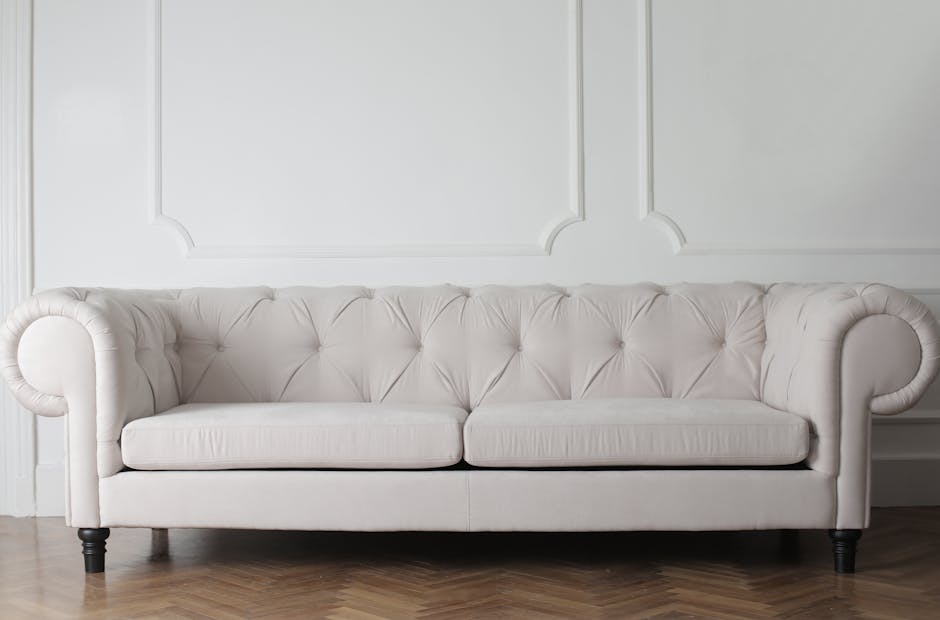
Salusbury Road Upholstery Cleaning Guide for Local Homes
If you live near Salusbury Road, you already know how quickly everyday life shows up on a sofa. A muddy shoe print after school pickup, a faint coffee ring on the armrest, pet hair that seems to appear from nowhere, and that slightly tired look a favourite chair gets after years of use. This Salusbury Road upholstery cleaning guide for local homes is here to make the process simpler, safer, and more effective. Whether you are trying to freshen a family sofa, remove a stubborn mark, or decide between DIY cleaning and a professional service, you will find practical guidance that actually helps.
Upholstery is a bit different from carpet. Fabrics vary, fillings vary, and one wrong move can leave a water mark, shrinkage, or a stain that spreads instead of fades. That is the bit many people only discover after they have already gone in with a sponge. Let's avoid that.
Below, you will find a clear explanation of how upholstery cleaning works, what methods suit local homes, what to avoid, and how to judge when it is worth bringing in a specialist. There is also a checklist, a comparison table, and a real-world example to make things easier to picture. Simple enough, really.
Table of Contents
- Why Salusbury Road upholstery cleaning guide for local homes Matters
- How Salusbury Road upholstery cleaning guide for local homes Works
- Key Benefits and Practical Advantages
- Who This Is For and When It Makes Sense
- Step-by-Step Guidance
- Expert Tips for Better Results
- Common Mistakes to Avoid
- Tools, Resources and Recommendations
- Law, Compliance, Standards, or Best Practice
- Options, Methods, or Comparison Table
- Case Study or Real-World Example
- Practical Checklist
- Conclusion
- Frequently Asked Questions
Why Salusbury Road upholstery cleaning guide for local homes Matters
Homes around Salusbury Road tend to be lived in properly. That is a good thing. It means cushions are sat on, meals happen in front of the telly, guests arrive with coats dripping from London drizzle, and furniture gets used the way it should. It also means upholstery collects a mix of dust, body oils, crumbs, pollen, pet dander, and the odd mystery mark that no one admits to making.
Regular upholstery care matters because fabric furniture is both functional and expensive to replace. A sofa or armchair can make a room feel warm and finished, but once it starts to look dull or smell stale, the whole space can feel older than it really is. Fresh upholstery changes that quickly. It lifts the room. You notice it straight away, even if you cannot quite explain why.
For local homes, the challenge is usually not dramatic damage. It is the slow build-up of everyday wear. That means the best approach is usually not a one-off panic clean, but a sensible routine: vacuuming, spot treatment, occasional deep cleaning, and careful drying. In other words, a little consistency beats heroic effort every time.
There is also a hygiene angle. Upholstery near windows and doors can pick up outdoor pollution and fine dust. Family homes with children or pets often have higher traffic on one or two seats, which creates uneven wear. If you have allergies, sensitive skin, or just want a cleaner-feeling home, keeping upholstery in good condition makes a genuine difference.
Quick takeaway: upholstery cleaning is not only about appearance. It supports comfort, fabric life, indoor freshness, and the overall feel of the home.
How Salusbury Road upholstery cleaning guide for local homes Works
Upholstery cleaning works by lifting soil from the fabric without damaging the fibres, the colour, or the filling underneath. That sounds straightforward, but the right method depends on the fabric type, the level of soiling, and whether the furniture can tolerate moisture. A linen-blend two-seater, for example, needs a gentler touch than a durable synthetic corner sofa. And yes, the care label matters more than people think.
Most professional cleaning starts with inspection. The cleaner checks the fabric composition, condition, stain types, and any warning signs such as loose stitching, pre-existing fading, or delicate trims. Then comes dry soil removal, usually with thorough vacuuming and edge detailing. After that, the cleaner chooses a method such as low-moisture extraction, controlled steam cleaning, or a targeted stain treatment. The goal is always the same: remove dirt efficiently while keeping drying time and fabric risk under control.
For domestic jobs, the process often includes pre-treatment of spots, agitation with a soft brush or pad, and careful extraction. If a piece is especially delicate, a lower-moisture approach may be safer. This is where experience matters. A decent result is not just about making the fabric look cleaner for an hour. It is about ensuring it dries properly, feels right, and stays that way.
Local homes also benefit from cleaning plans that fit normal routines. Most people do not want furniture out of action all day if they can help it. A practical service will explain drying expectations, ventilation advice, and any aftercare. That is what good service looks like, really.
Key Benefits and Practical Advantages
There are several clear benefits to keeping upholstery clean, and they go beyond the obvious visual improvement.
- Better appearance: fabric looks brighter, fresher, and more evenly coloured.
- Improved comfort: clean upholstery feels nicer to sit on, especially in warm weather when trapped odours become more noticeable.
- Odour reduction: cooking smells, pet odours, and general stuffiness are reduced.
- Longer furniture life: embedded grit and oils can wear fibres down over time, so removing them helps the fabric last longer.
- Lower allergy load: regular cleaning helps reduce dust and other particles that settle into soft furnishings.
- Better first impression: when guests walk into a room, clean seating changes the whole feel. It just does.
There is also a practical money angle. Replacing a good sofa is expensive, and refurbishing a whole living room because one item looks shabby is never the ideal plan. Regular upholstery care is one of those quiet, sensible habits that pays off over time. Not flashy, but effective.
Another advantage is stain prevention. Once a stain has been allowed to set, especially on porous fabric, removal becomes more difficult and more time-consuming. Early treatment makes a huge difference. If you spill something, blot gently and act quickly rather than rubbing like mad. Rubbing spreads the problem. It nearly always does.
Who This Is For and When It Makes Sense
This guide is useful for a wide range of local homeowners and tenants. In practice, the people who benefit most usually fall into a few groups.
- Families with children: snack crumbs, sticky fingers, and the occasional juice spill are part of life.
- Pet owners: fur, odour, and paw marks build up faster than many people expect.
- People with older furniture: if the sofa is still structurally good, cleaning can give it a second life.
- Tenants preparing to move out: clean upholstery can help a property look more cared for before inspection.
- Homeowners entertaining regularly: guest-ready seating matters more than people admit.
- Anyone dealing with a specific stain: coffee, wine, makeup, ink, food grease, and pet accidents all need the right method.
It also makes sense if your upholstery looks fine at a glance but feels less fresh than it used to. That slightly flat, lived-in smell is often the clue. Another sign is uneven shading where the arms and headrests have darkened from regular use. These are not emergencies. But they are the sort of things that quietly add up.
If you have a delicate fabric, antique piece, or a sofa with a care label you do not quite trust, it is worth getting proper advice before you start. One cautious inspection can save a lot of regret later.
Step-by-Step Guidance
Here is a straightforward way to approach upholstery cleaning at home or to understand what a professional service should be doing on site.
- Identify the fabric type. Check labels, manufacturer guidance, or any paperwork you still have. If you are unsure, test a hidden area first. Always.
- Vacuum thoroughly. Use a soft brush attachment and clean seams, piping, creases, and under cushions. This removes loose grit before moisture is added.
- Spot-test any product. Apply a small amount in an unseen area to check for colour loss, texture changes, or water marking.
- Treat stains individually. Blot, do not scrub. Use the correct product for the stain type where possible. Grease, tannin-based marks, and protein stains all behave differently.
- Apply the chosen cleaning method. This might mean foam, controlled damp cleaning, low-moisture extraction, or another appropriate process.
- Extract or remove residue carefully. Leaving cleaning solution behind can attract more dirt, which is annoying and avoidable.
- Dry with ventilation. Open windows if possible, use airflow, and keep cushions spaced out until fully dry.
- Fluff and reset the furniture. Once dry, reshape cushions and check for any remaining marks or damp patches.
For many homes, the hardest part is not the cleaning itself. It is waiting for the item to dry properly. People want to sit down again straight away, naturally enough. But patience here really pays off. A well-dried sofa feels fresher and avoids musty smells or re-soiling from residual moisture.
If you are dealing with a settee that has seen years of use, start with the least aggressive method that still makes sense. You can always do a second pass. You cannot always undo over-wetting. That is the quiet truth of upholstery work.
Expert Tips for Better Results
A few small habits make a big difference to the final result. These are the sort of details experienced cleaners tend to rely on, even if they sound simple on paper.
- Vacuum before anything else. Dry soil comes off far more easily than embedded dirt after liquid is applied.
- Work from the outside of a stain inward. This helps stop the mark spreading.
- Use white, clean cloths for blotting. Coloured cloths can transfer dye, especially when damp.
- Do not soak the filling. The outer fabric might dry, but the inside can stay damp and create odour later.
- Keep an eye on drying airflow. A room that feels warm but stagnant is not ideal. Air movement matters more than heat alone.
- Rotate cushions if possible. It helps with even wear and drying.
One practical tip that people often overlook is the order of cleaning. If a sofa has both dust and a stain, clean the dust first. Otherwise, you can end up turning loose debris into a muddy patch. Not the plan, obviously.
For pet households, odour control needs more than fragrance cover-up. If urine or other organic spills have reached deeper layers, surface cleaning alone may not be enough. In those cases, a method designed for deeper stain and odour removal is usually more appropriate. Hiding the smell with air freshener only works for about five minutes, and then the room has two smells instead of one.
If the fabric is delicate, test each cleaning product more carefully than you think you need to. Better a tiny hidden test than a visible patch of disappointment on the front seat.
Common Mistakes to Avoid
Most upholstery damage comes from a short list of mistakes. The good news is that they are easy to avoid once you know them.
- Using too much water: this can lead to long drying times, water rings, and wicking, where stains reappear as moisture rises.
- Rubbing stains aggressively: this pushes soil deeper into the weave and can rough up the fibres.
- Skipping a patch test: some products are fine on one fabric and disastrous on another.
- Ignoring care labels: the label may be tiny, but it is usually the most useful thing on the furniture.
- Using random household products: bleach, harsh degreasers, and strong solvents can strip colour or leave residue.
- Cleaning only the stain and not the surrounding area: this can leave visible tide marks.
- Putting cushions back too soon: trapped dampness can cause smell and uneven drying.
There is also the mistake of assuming every mark is removable with the same method. Coffee, red wine, ink, makeup, body oils, and pet accidents all need different handling. Treating them all the same is how good furniture gets ruined. It sounds harsh, but it is true.
Another common issue is overconfidence with rented machines. They can be useful, but they are not magic. If the nozzle is not used correctly or extraction is uneven, you may leave too much moisture behind. That is where experience and a steady hand make a real difference.
Tools, Resources and Recommendations
You do not need an entire cupboard of specialist kit, but the right few tools make the job much easier. For basic home care, a homeowner might keep the following on hand.
- Soft brush vacuum attachment: ideal for removing dust and crumbs without damaging fibres.
- Microfibre cloths: useful for blotting spills and lifting light residue.
- Plain white towels: good for absorbing moisture without dye transfer.
- Gentle upholstery cleaner: best chosen according to fabric type and care instructions.
- Small upholstery brush: helpful for light agitation on durable fabrics.
- Fan or good airflow source: speeding up drying is often half the battle.
For more difficult jobs, professional equipment usually offers more control than domestic alternatives. Low-moisture extraction units, specialist stain treatments, and fabric-safe agitation tools can make a meaningful difference. In many homes, especially where the furniture is valuable or delicate, that extra control is worth it.
If you are comparing cleaning providers, look for clear explanations of the method, expected drying time, fabric suitability, and aftercare. Transparency matters. A reliable business should be able to talk plainly about what is likely to work and what may not. You can also explore broader home care options such as upholstery cleaning, sofa cleaning, curtain cleaning, and stain removal if several soft furnishings need attention at once.
For homes with pets, odour concerns, or recurring spills, services such as pet stain odour removal and mattress cleaning can also be relevant, because the problem often extends beyond one chair or sofa. It rarely stops at one item, does it?
Law, Compliance, Standards, or Best Practice
For domestic upholstery cleaning, there is usually no special legal process the homeowner must follow, but there are still sensible standards and best practices worth respecting. If a cleaner is working in your home, they should take care around electricity, water, slip risks, ventilation, and any fragile surfaces nearby. That is basic professionalism, not a bonus.
Good practice also means using products responsibly, following manufacturer guidance, and considering the safety of children, pets, and anyone with sensitivities. Cleaning solutions should be used in a controlled way, with proper drying and without unnecessary overspray. If a provider has a health and safety approach, insurance cover, and clear terms, that is reassuring. It shows they are thinking beyond the visible result.
Homeowners should also check the furniture warranty or care instructions where available. Some manufacturers specify particular cleaning methods or warn against certain solvents and high-moisture techniques. If the item is still under warranty, it is smart to keep to those instructions. Nobody wants a bright, clean sofa that has quietly lost its protection because someone guessed at the process.
From a good-practice point of view, these are sensible signs of a careful service:
- They inspect fabric before starting.
- They explain likely drying time clearly.
- They avoid promising impossible stain removal.
- They use fabric-appropriate methods rather than a one-size-fits-all approach.
- They are transparent about pricing and what is included.
If you want to understand a company's approach to service quality and customer care, it can help to review pages such as about us, health and safety policy, insurance and safety, and terms and conditions. Those pages do not clean the sofa for you, obviously, but they do tell you a lot about how the business operates.
Options, Methods, or Comparison Table
Choosing the right upholstery cleaning method usually comes down to fabric type, level of soiling, drying time, and how much risk you are comfortable with. Here is a simple comparison to help.
| Method | Best For | Advantages | Watch Outs |
|---|---|---|---|
| Vacuuming and spot care | Light dust and small fresh spills | Fast, low risk, good for routine maintenance | Won't remove deep soil or older stains |
| Foam or low-moisture cleaning | General domestic upholstery, mixed fabrics, moderate soiling | Controlled moisture, shorter drying time than heavy wet methods | Needs careful residue removal and proper technique |
| Extraction cleaning | Durable fabrics with embedded dirt | Can remove more soil from deeper in the fibres | Too much moisture can cause drying issues if handled badly |
| Targeted stain treatment | Specific marks such as wine, coffee, grease, or pet stains | Focused approach for problem areas | Requires correct identification of the stain and fabric |
| Professional deep clean | Whole sofas, chairs, and valuable or delicate furniture | More consistent results and safer handling of difficult fabrics | Usually costs more than DIY, though often better value in the end |
For many local homes, the best answer is not choosing one method forever. It is matching the method to the job. A quick refresh after a busy winter is one thing; restoring a neglected family sofa is another. The right call depends on the furniture, not just the stain.
Case Study or Real-World Example
Imagine a typical Salusbury Road living room: a fabric corner sofa, a pair of dining chairs used as extra seating, and one armchair parked near a bright window. Over time, the sofa arms look darker, the seat cushions have lost their bounce visually, and there is a faint smell from daily use. Nothing dramatic. Just that lived-in look that slowly creeps in.
The first step is a proper vacuum, including the seams and the spaces under the cushions. Then a spot test is done on the arm underside and rear panel. A mild cleaning approach is chosen because the fabric is blended and the care instructions advise caution. The stains on the seat cushions are treated separately from the general soil on the arms, because they are not the same problem.
After cleaning, the room is ventilated for the rest of the afternoon. The cushions are propped to allow even drying, and the house is left pleasantly fresh by evening. The difference is not just visual. The whole room feels lighter. Less tired, somehow.
What stands out in this kind of situation is that a good result comes from restraint. There is a temptation to go hard at the most visible mark. But fabric cleaning is often more about control than force. A careful approach tends to leave the sofa looking more natural, with less risk of patchiness or over-wetting.
That is usually the moment people realise the value of proper upholstery care. It is not glamorous. But it quietly changes how the home feels day to day.
Practical Checklist
Use this checklist before you start cleaning any upholstered furniture at home.
- Check the care label or manufacturer guidance.
- Identify the fabric type if possible.
- Vacuum all surfaces, seams, and corners.
- Test any product on a hidden area first.
- Choose a method suited to the fabric and stain type.
- Blot stains gently rather than rubbing.
- Avoid over-wetting the fabric or filling.
- Keep the room well ventilated during drying.
- Allow full drying before use.
- Inspect the result in daylight, not just under lamps.
If you want a slightly more cautious approach, add one more item: take a quick photo before and after. It is useful for spotting improvement, and oddly satisfying too. Small win, but still a win.
Get a free quote today and see how much you can save.
Conclusion
Upholstery cleaning is one of those jobs that looks simple until you get into the details. On Salusbury Road and across local homes nearby, the real challenge is balancing freshness, fabric safety, drying time, and stain removal without causing new problems. Once you understand how upholstery behaves, the process becomes much easier to manage.
The best results usually come from a steady, careful approach: vacuum well, test first, treat stains gently, and choose the method that suits the fabric rather than the one that seems quickest. That applies whether you are dealing with a family sofa, a favourite reading chair, or a set of dining chairs that have seen one too many Sunday lunches.
If your furniture is valuable, delicate, heavily used, or stained beyond a simple tidy-up, it is often worth bringing in a specialist. Either way, the goal is the same: a cleaner, fresher home that feels looked after. And honestly, that is one of those quiet comforts that makes everyday life better.
Fresh upholstery changes the room more than people expect. Sometimes that little lift is exactly what a home needs.
Frequently Asked Questions
How often should upholstery be cleaned in a local home?
For most homes, light maintenance such as vacuuming should happen regularly, while deeper cleaning is usually done every 6 to 12 months depending on use. Homes with children, pets, or heavy daily traffic may need attention more often.
Can I clean my sofa myself, or should I hire a professional?
You can handle light maintenance and some small fresh spills yourself if you follow the care label and use a suitable product. For delicate fabrics, set-in stains, odours, or valuable furniture, a professional approach is usually the safer option.
What is the safest way to remove a fresh spill from upholstery?
Blot the spill gently with a clean white cloth, working from the outside in. Avoid rubbing, because that spreads the stain and can damage the fibres. Then use a fabric-appropriate cleaner if needed and test first.
How long does upholstery usually take to dry?
Drying time depends on fabric type, room temperature, ventilation, and the cleaning method used. Light cleaning may dry quite quickly, while deeper extraction can take longer. Good airflow makes a noticeable difference.
Will cleaning remove old stains completely?
Not always. Some stains, especially if they have set for a long time or damaged the fibres, may improve rather than disappear fully. A careful cleaner should explain what is realistic before starting.
Is steam cleaning safe for all upholstery?
No, not for all fabrics. Despite the name, upholstery cleaning methods that involve heat or moisture are not suitable for every material. Always check the care label and test first if you are unsure.
How can I stop my sofa smelling stale?
Regular vacuuming, prompt spill treatment, and proper drying after any cleaning all help. If the odour is persistent, it may have settled deeper into the fabric or filling, which can require a more thorough treatment.
What should I look for in a good upholstery cleaning service?
Look for clear explanations, fabric-specific methods, proper drying advice, transparent pricing, and sensible safety practices. A good provider should not promise miracle results on every stain, because that would not be honest.
Can upholstery cleaning help with allergies?
It can help reduce dust and other particles that collect in soft furnishings. That said, it is not a medical treatment, and results vary by home and fabric type. Regular upkeep is the most practical benefit.
Do pet stains need special treatment?
Yes, often they do. Pet accidents can leave both visible staining and odour in the fibres or filling. Surface cleaning may not be enough if the spill has gone deeper, so a targeted approach is usually better.
What if I do not know what fabric my furniture is made from?
If you cannot identify the fabric, be cautious. Check under cushions, on the underside, or in the manufacturer's paperwork if you have it. If you still are not sure, test any cleaner in a hidden area or get advice before using moisture.
Is it worth cleaning old furniture, or should I just replace it?
If the frame and comfort are still good, cleaning is often worth trying first. Many sofas and chairs look far better after a proper clean, and that can extend their useful life without the cost of replacement.